
March 20, 2023
Polyethylene Pipes: Properties, Applications, and Environmental Impacts
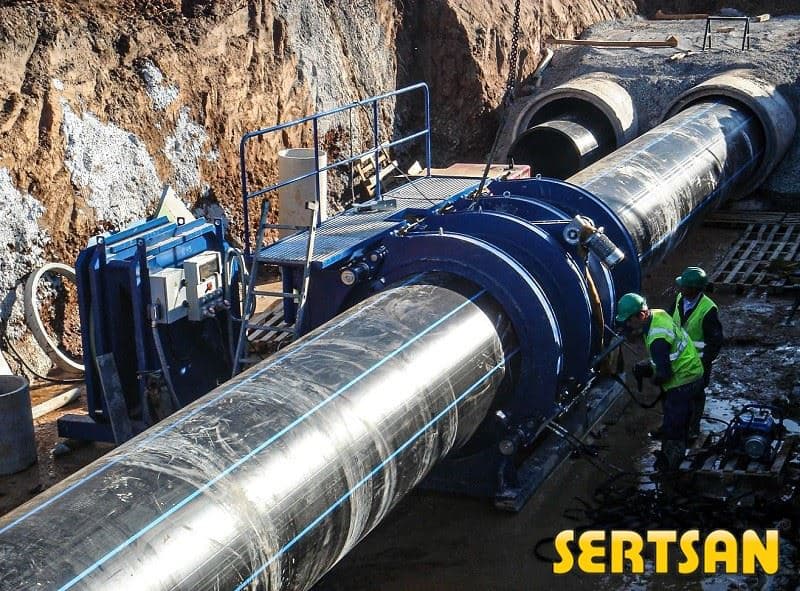
Polyethylene pipes (PE pipes) are durable, flexible, and versatile piping systems produced from polyethylene (PE), a polymer chemical. These pipes are used in construction, water and gas distribution, industrial processes, agriculture, and many other fields. This article provides a more detailed review of the properties of polyethylene pipes, their various fields of application, and their environmental impacts.
Properties of Polyethylene Pipes
1.1. Types of Polyethylene
PE pipes come in two main types: low-density polyethylene (LDPE) and high-density polyethylene (HDPE). LDPE is a type of polyethylene with low density and a low degree of crystallization. It therefore has a softer and more flexible structure. It is generally used in low-pressure applications and is common, for example, in agricultural irrigation lines. HDPE, on the other hand, is a rigid, high-density type of polyethylene owing to its higher degree of crystallization. For this reason, HDPE pipes are preferred for high-pressure water and gas lines, mining operations, and industrial applications.
1.2. Durability
Polyethylene pipes are highly resistant to impacts, cracking, and chemicals. This durability protects buried pipes against ground movements, external factors, and traffic loads. In addition, HDPE pipes are frost-resistant, which makes them an ideal choice for water installations in cold climates.
1.3. Chemical Resistance
Polyethylene pipes are resistant to a wide range of chemical substances and are unaffected by problems such as rust or corrosion. For this reason, they are used in the chemical industries and in wastewater treatment plants.
1.4. Low Coefficient of Friction
The inner surfaces of PE pipes have a low coefficient of friction, which allows fluids to move with less resistance and increases energy efficiency. Low friction enables water to be conveyed faster and with lower energy consumption.
1.5. Long Service Life
Properly installed and maintained polyethylene pipes have a long service life. They can be made resistant to sunlight through the use of UV stabilizers. This reduces downtime and maintenance costs.
Polyethylene Pipe Applications
2.1. Water Distribution
HDPE pipes are widely used in drinking water and irrigation water distribution lines. Water can be conveyed smoothly through PE pipelines, from low pressures up to high pressures. The flexibility of the pipes is one of the key reasons they are preferred for water installations underground and in areas subject to ground movement.
2.2. Gas Pipelines
HDPE pipes are used in natural gas and liquefied petroleum gas (LPG) pipelines. Since gas has a low density, lightweight and flexible pipes are an excellent choice for gas transmission. Moreover, the high durability and low maintenance costs they offer for gas pipelines make PE pipes the preferred option.
2.3. Sewerage and Wastewater
PE pipes deliver excellent performance in sewerage and wastewater systems, thanks to their chemical resistance and resistance to decay. The smooth inner surfaces of the pipes minimize blockages and sediment build-up, thereby maintaining the flow of wastewater.
2.4. Mining and Industrial Applications
In the mining sector, PE pipes are widely used for conveying chemical and abrasive substances. They are also used in process water lines and wastewater systems at industrial facilities. The durability and chemical resistance of the pipes make PE pipes the preferred choice in mining and industrial applications.
2.5. Irrigation Systems
In agriculture, PE pipes are widely used as drip irrigation lines in irrigation systems, helping deliver water to plants efficiently. PE pipes used in irrigation systems contribute to a more effective and sustainable use of water resources.
Environmental Impacts of Polyethylene Pipes
The environmental impacts of PE pipes are quite favorable compared with other pipe materials. Polyethylene is a recyclable material, and the use of recycled polyethylene helps save energy in the production of new pipes. Using recycled polyethylene in pipe manufacturing reduces the need for raw materials and contributes to the conservation of natural resources.
Furthermore, the long service life of polyethylene pipes means they need to be replaced less frequently, thereby reducing the amount of waste. Their high durability, low maintenance requirements, and long service life offer an environmentally sustainable piping solution.
However, the production and installation of polyethylene pipes also require environmental impacts to be taken into account. Factors such as energy consumption and the carbon footprint of pipe manufacturing processes must be considered. During installation, environmental damage should be minimized through correct practices, and environmental protection measures should be taken.
Polyethylene pipes are durable, flexible, and environmentally friendly piping systems with a wide range of applications. They are widely used in water, gas, sewerage, agricultural, and industrial applications. Their high chemical resistance, low energy loss, and long service life make PE pipes an indispensable part of infrastructure projects. However, to minimize environmental impacts, correct practices and environmental protection measures should be adopted from pipe production through to installation. The environmentally friendly characteristics of PE pipes make an important contribution to sustainable infrastructure projects.